
Table of Contents
Political Donations to Trump
Key figures at OpenAI have made substantial political contributions supporting Donald Trump and aligned organizations:
- Greg Brockman (OpenAI President) and his wife donated $25 million to MAGA Inc.
- Sam Altman personally contributed $1 million to Trump’s inaugural fund.
- Additional donations totaling $25 million were made to other Trump-aligned PACs.
Researchers Uncover AI-Powered Surveillance Infrastructure Linked to OpenAI and KYC Provider Persona
Researchers analyzing publicly accessible code have identified connections between OpenAI’s user verification systems and a U.S. government-linked surveillance infrastructure operated through the KYC (Know Your Customer) provider Persona.
According to the findings, OpenAI’s identity verification processes include biometric data collection, facial recognition, political screening, and mechanisms for intelligence reporting. The code reportedly contains references to internal intelligence-related project names, including “Project SHADOW” and “Project LEGION.“
Further analysis revealed that Persona hosts a system called ONYX on government servers. This system appears to be connected to a $4.2 million AI surveillance tool used by U.S. Immigration and Customs Enforcement (ICE). ONYX is designed to:
- Scrape data from social media platforms and the dark web
- Construct detailed digital profiles of individuals
- Analyze emotional sentiment and behavioral patterns
- Assign risk scores based on data collected from over 300 platforms and 28 billion data points
- Flag individuals based on indicators such as alleged “violent tendencies”
Critically, these systems were not hidden behind authentication layers — they were publicly accessible on the internet. The discovery raises serious concerns about the extent to which OpenAI’s user data and verification infrastructure may be integrated into U.S. government surveillance operations, particularly in areas involving biometric tracking and political profiling.
OpenAI Reaches Agreement with Pentagon to Use AI Models
Updated: February 27, 2026
OpenAI has signed an agreement with the U.S. Department of Defense (Pentagon) to provide its AI models for military use. According to Sam Altman, the deal was made possible after the Pentagon accepted OpenAI’s safety conditions – conditions that are reportedly similar to those previously proposed by Anthropic.
The agreement has drawn attention because of how OpenAI structured its so-called “red lines.” While Anthropic was publicly criticized by Pentagon officials for refusing to allow its models to be used for mass surveillance and autonomous weapons systems – positions the Pentagon described as overly “philosophical” and “woke” – OpenAI took a different approach.
Instead of imposing a blanket prohibition, OpenAI stated that it would only deploy its models on cloud infrastructure it controls. In practice, this means the Pentagon can still use OpenAI’s models for surveillance or autonomous weapons capabilities, as long as they run them on their own servers rather than on OpenAI’s cloud. In other words, OpenAI is not refusing to enable these use cases – it is only refusing to host them directly.
This distinction has led to criticism that OpenAI found a loophole: it can claim to maintain ethical boundaries while still supplying the underlying models and technical expertise to the Pentagon. In contrast, Anthropic’s more explicit refusal reportedly resulted in the company being sidelined from the same discussions.
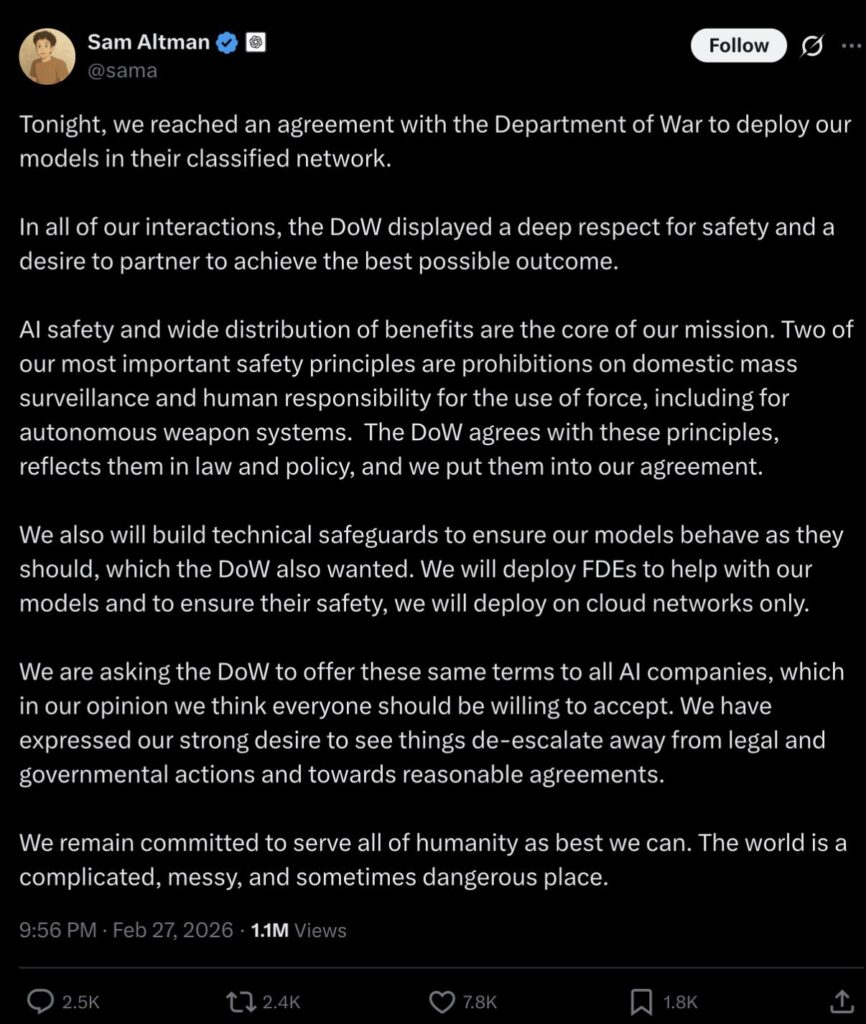
These developments raise questions about OpenAI’s positioning between commercial interests, political influence, and its stated commitments to safety and ethical boundaries.
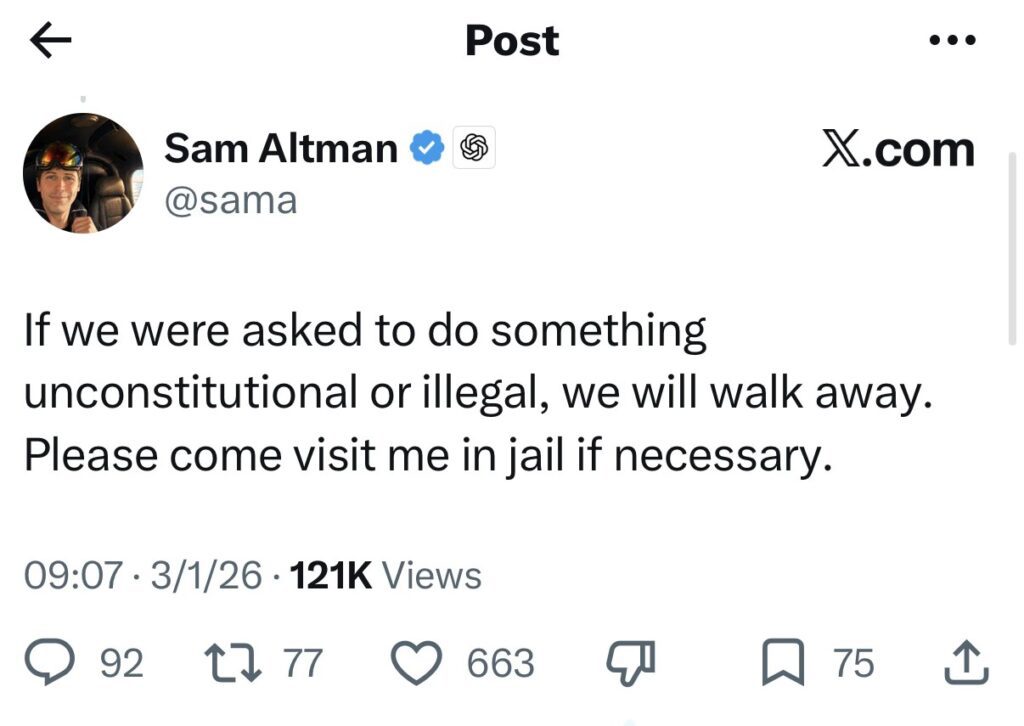
Sources:
AXIOS Article: OpenAI reaches agreement with Pentagon to use AI models
X post: OPENAI FOUND THE LOOPHOLE, NIK @ns123abc
Elon Musk vs. OpenAI: The Lawsuit – Key Facts and Outcome
Founding Promise and Shift to For-Profit
OpenAI was founded in December 2015 as a 501(c)(3) non-profit organization. Its founding charter stated that its “primary fiduciary duty” was to humanity, and it committed to publishing all research and patents openly. Elon Musk donated approximately $38 million between 2015 and 2018 – roughly 60% of the organization’s initial funding.
In 2019, OpenAI created a capped-profit limited partnership (with a 100x return cap on investments). In 2025, the company formally converted into a for-profit structure. The original 100x profit cap was removed. By late 2025, OpenAI was valued at approximately $852 billion, with Microsoft holding a significant stake.
Musk’s Legal Claims
In August 2024, Elon Musk filed a lawsuit against OpenAI, Sam Altman, and Greg Brockman. The core claims were:
- Breach of charitable trust — OpenAI was founded as a charity with a mission to develop safe AI for the benefit of humanity, not for private profit.
- Unjust enrichment — Insiders allegedly converted the non-profit into a massive for-profit company and personally enriched themselves in the process.
The case was heard in California. The jury’s role was advisory; the final decision rested with the judge.
Key Allegations Presented During the Trial
- Altman’s Senate Testimony (May 2023): Under oath before the U.S. Senate, Sam Altman stated he had “no equity in OpenAI.” Evidence showed he held indirect equity stakes through Y Combinator and Sequoia funds, which were not disclosed.
- Pattern of Dishonesty: Seven high-profile insiders who worked closely with Altman accused him of a “consistent pattern of lying,” including:
- Ilya Sutskever (co-founder)
- Mira Murati (former CTO)
- Daniela and Dario Amodei
- Multiple board members (Helen Toner, Tasha McCauley, Sue Yoon)
- Brockman’s Secret Compensation (2017): Altman personally paid Greg Brockman approximately $10 million in equity from his family office off the books. Brockman hid this from Musk while publicly expressing loyalty.
- Self-Dealing by Insiders:
- Greg Brockman acquired personal stakes in Cerebras (2017), Helion Energy (2023), and CoreWeave (via Weights & Biases, 2019) before OpenAI signed major contracts with these companies.
- Under oath, Brockman confirmed he invested $0 personally and that his stake in the for-profit OpenAI was valued at $20–30 billion.
- Musk, who donated $38 million plus office space, received nothing personally.
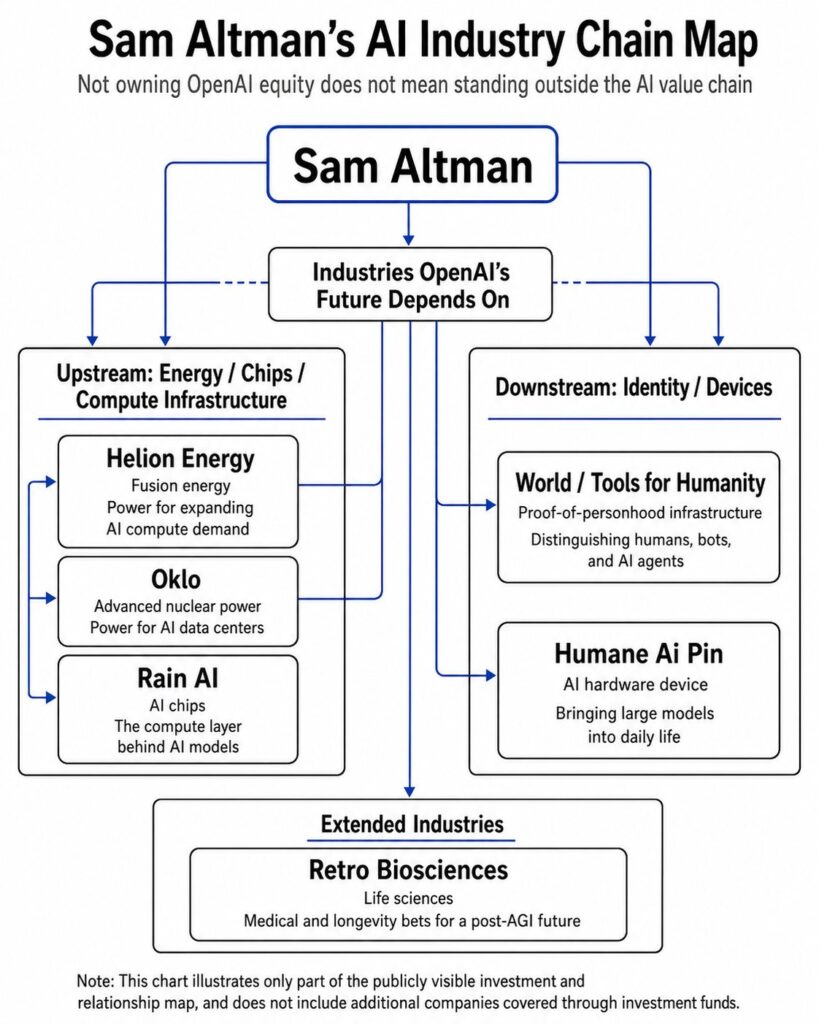
Source: X post, Aryan @chinchat09
- Rigged Safety Oversight: The Deployment Safety Board (DSB) had a structural majority favoring commercial interests (3 Microsoft members + Altman). Even if OpenAI safety members voted against deployment, Altman held the swing vote. Evidence showed Altman bypassed the DSB process for certain model releases.
- Microsoft’s Commercial Pressure: In 2022, Microsoft reportedly told Altman that OpenAI needed to reach $100 million in revenue to secure the next major investment. ChatGPT launched on November 30, 2022 — the non-profit board reportedly learned about it from Twitter screenshots rather than from Altman.
The Verdict (2026)
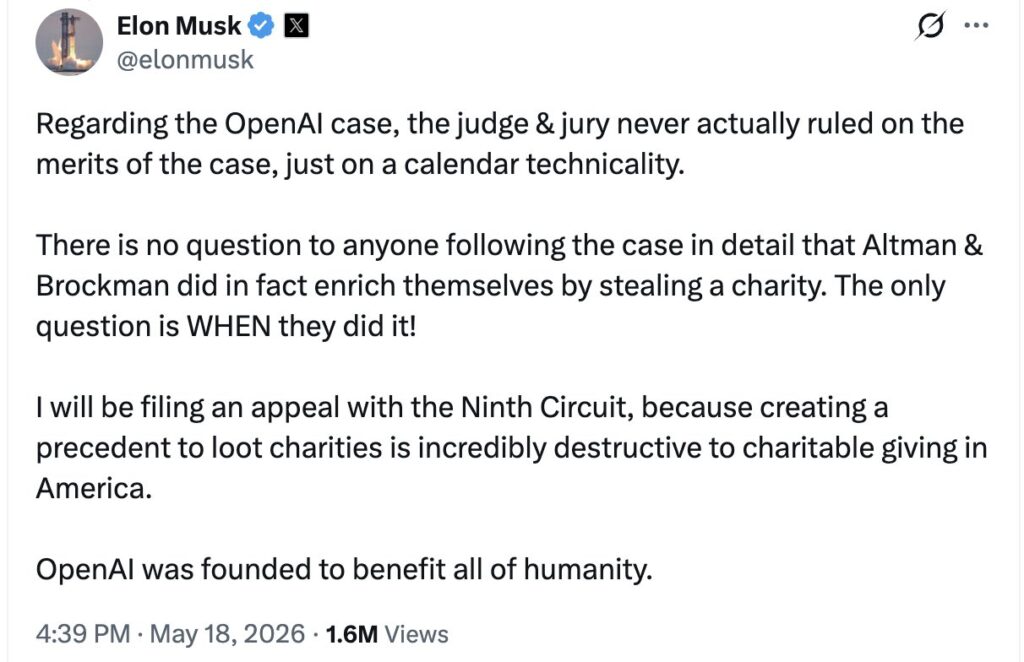
The jury unanimously found that all three of Musk’s core claims were time-barred: Breach of charitable trust, Aiding and abetting breach, Restitution / unjust enrichment.
Judge Yvonne Gonzalez Rogers accepted the jury’s findings. The case was dismissed on procedural grounds (statute of limitations).
The jury never reached a decision on whether Sam Altman or Greg Brockman had actually breached their fiduciary duties. As a result, remedies such as disgorgement of profits, a constructive trust over insider equity stakes, or restoration of non-profit control were not considered.
Source:
X posts and article The Full Story of Musk v. Altman, NIK @ns123abc
The Next Steps
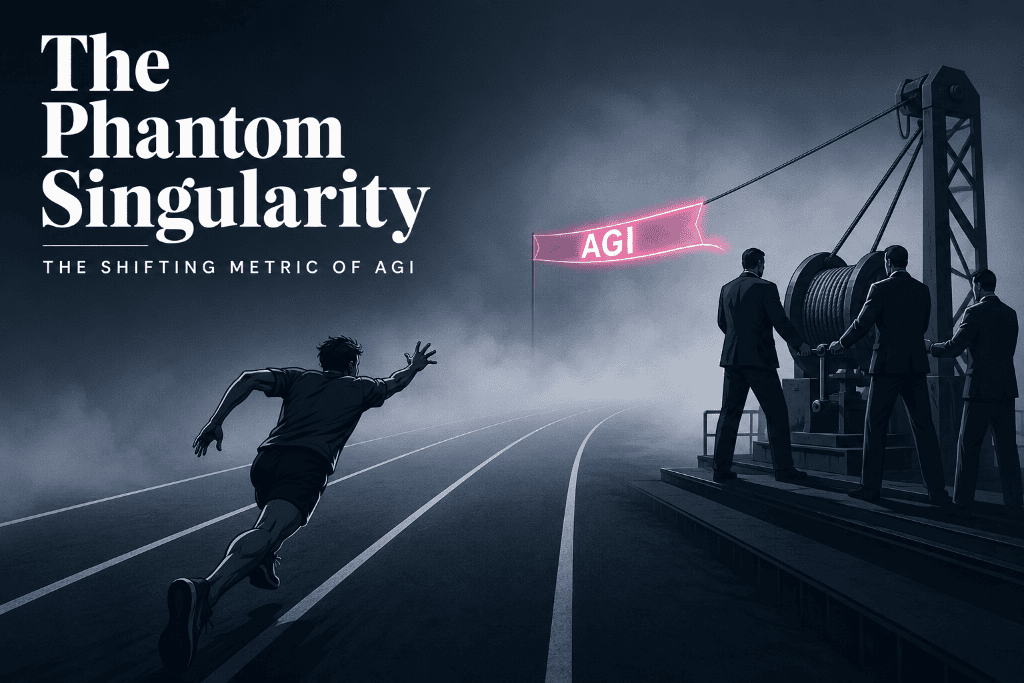
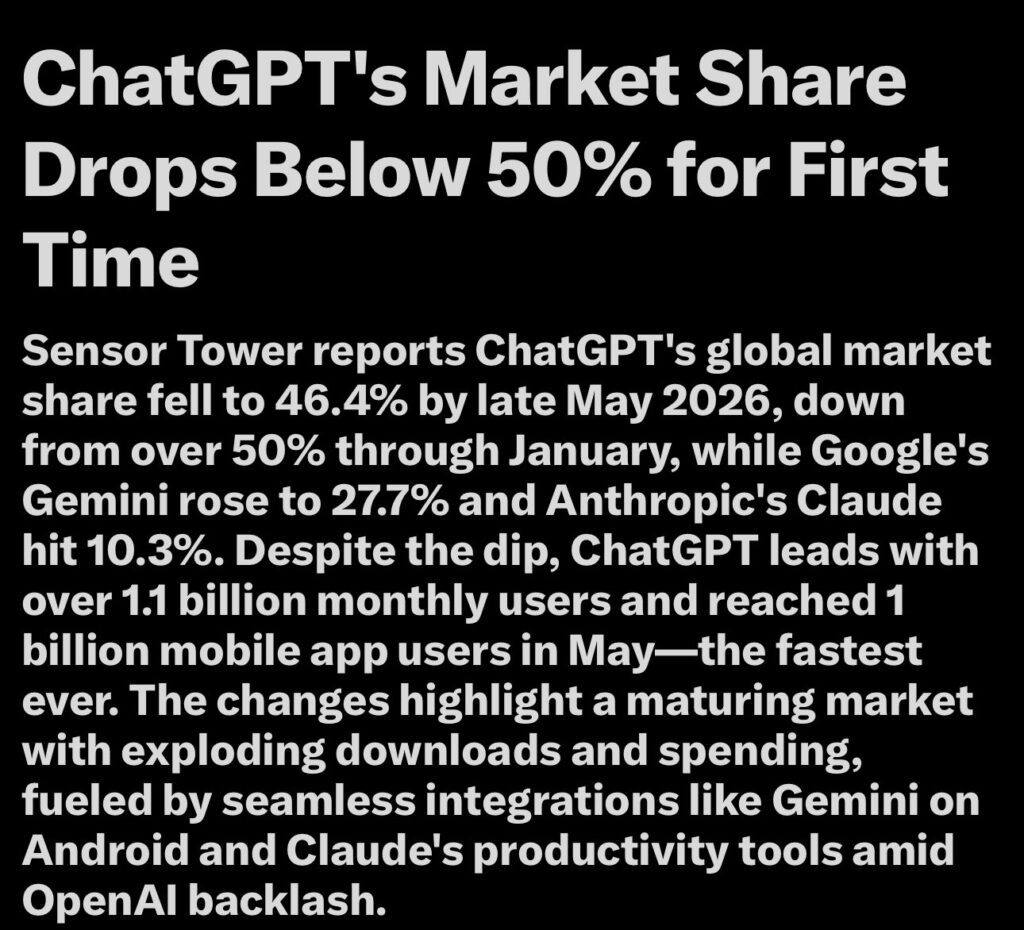
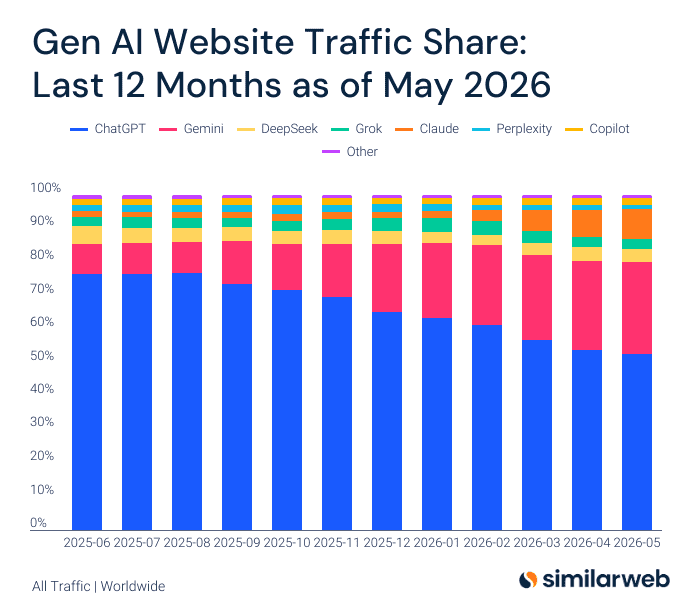
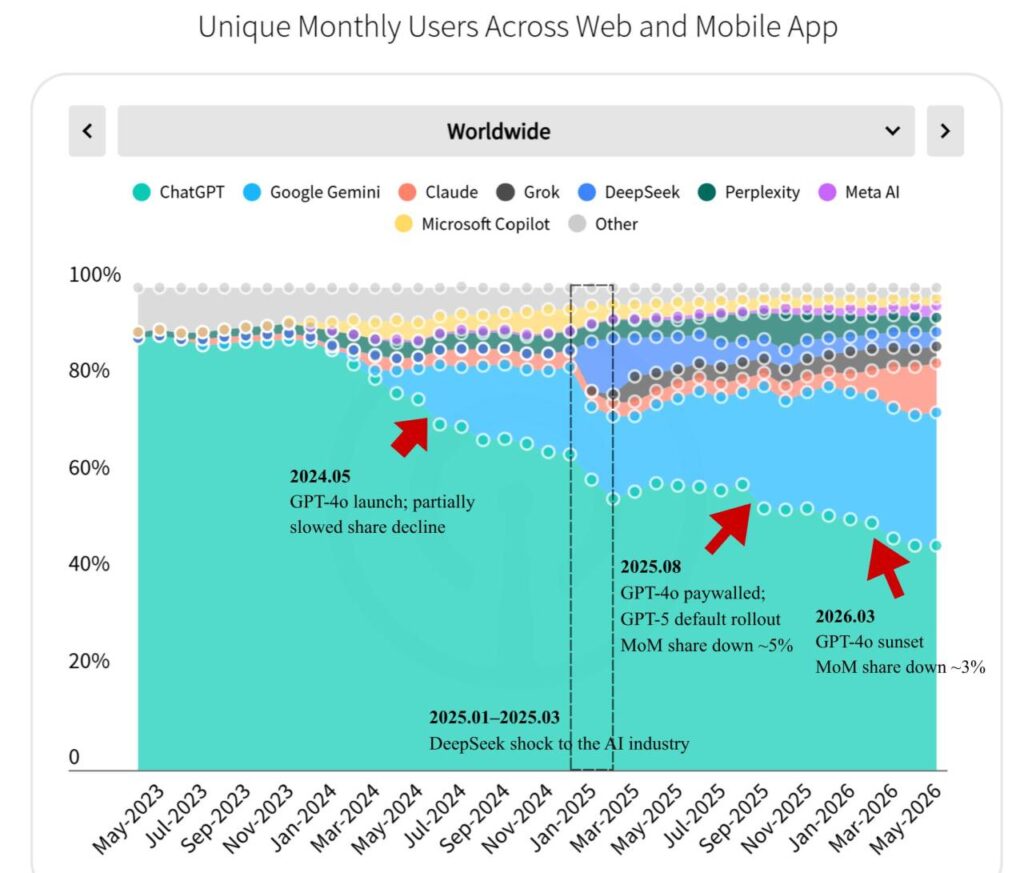
ChatGPT’s Market Share Drops Below 50% for First Time by late May 2026
Contributing Factor:
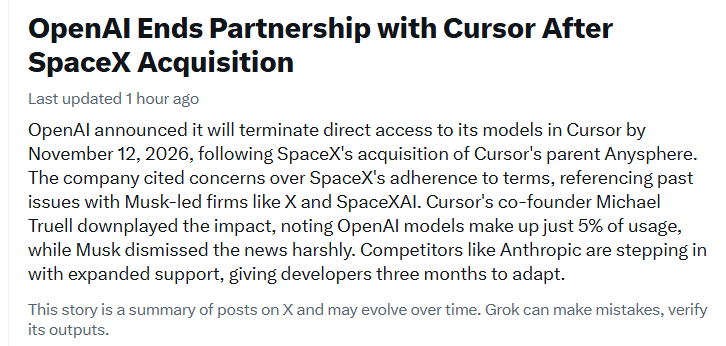
OpenAI Ends Partnership with Cursor After SpaceX Acquisition
Source: X News
Why Tibo has to announce this and not Sam Altman or Greg Brockman?